

12 Best Korean Comfort Foods to Crave Tonight
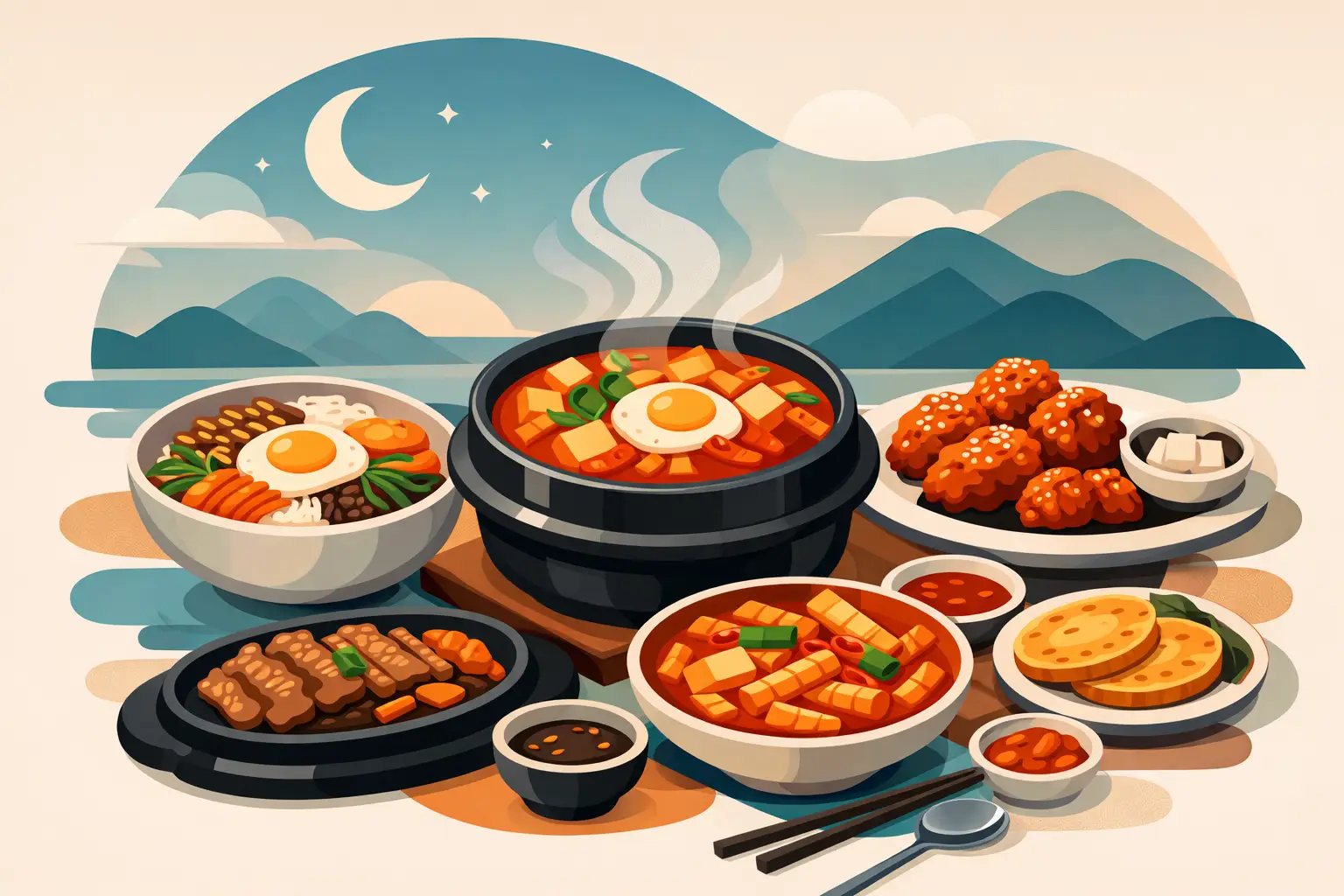
That first crunch of hot Korean fried chicken, followed by a sticky sweet-and-spicy kick, can turn an ordinary takeout night into the meal everyone talks about. The best Korean comfort foods are built for exactly that feeling: warm, filling, boldly seasoned dishes that bring heat, savoriness, sweetness, and serious satisfaction to the table.
Korean comfort food is not one-note. Some dishes arrive bubbling in a stone bowl, while others are made for sharing straight from the box. Some calm a cold day with rich broth; others wake up your taste buds with chile paste and chewy rice cakes. Here are 12 cravings worth making room for.
1. Korean Fried Chicken
Korean fried chicken earns its comfort-food reputation with contrast. The coating is thin, crisp, and shatteringly crunchy, while the meat stays juicy underneath. Then come the sauces: bright soy garlic, fiery-sweet yangnyum, or a savory cheesy powder that clings to every bite.
It is the kind of food that works for a quick lunch, a family dinner, or a game-night spread. Go bone-in when you want the full, hands-on experience; choose boneless when you are feeding a crowd that wants easy sharing. Either way, order enough. Korean fried chicken has a way of disappearing before the sides hit the table.
2. Tteokbokki
Tteokbokki is pure chewy, spicy comfort. Cylindrical rice cakes simmer in a glossy red sauce made with gochujang, Korean red chile paste, until they become tender, bouncy, and packed with flavor. Fish cakes, scallions, and a hard-boiled egg often join the party.
The heat can build, but it is balanced by a gentle sweetness that keeps you reaching for one more rice cake. Tteokbokki is especially good alongside fried chicken, where the crisp coating and saucy chew give you two completely different kinds of satisfaction.
3. Kimchi Jjigae
When the weather calls for a bowl you can hold with both hands, kimchi jjigae delivers. This deeply savory stew starts with aged kimchi, which gives the broth its tangy, fermented backbone. Pork, tofu, scallions, and vegetables add body, while rice turns every spoonful into a full meal.
The flavor is bold rather than delicate. It is sour, spicy, rich, and familiar in the way a favorite homemade soup feels familiar. If you love kimchi, this is one of the best Korean comfort foods to order when you want maximum flavor from a simple bowl.
4. Sundubu Jjigae
Sundubu jjigae is the softer, silkier side of Korean stew. It features delicate soft tofu in a bubbling broth, often with seafood, beef, pork, or vegetables. A raw egg may be cracked on top just before serving, creating a rich finish as it cooks in the heat.
The tofu is the star here. It soaks up the broth without losing its creamy texture, making each bite soothing even when the soup has a chile-forward kick. It is a smart pick for diners who want warmth and depth without the heavier feel of fried food.
5. Bibimbap
Bibimbap proves that comfort can come in a bowl full of color. Rice is topped with seasoned vegetables, protein, an egg, and gochujang, then mixed until every grain is coated in savory, spicy goodness. In a hot stone bowl, the rice at the bottom crisps up into the best part of the meal.
This is a great choice when everyone wants something different. Add beef for a classic option, choose chicken for a lighter feel, or keep it vegetable-forward. The real magic is in the mix: cool vegetables, warm rice, rich egg yolk, and chile paste all working together.
6. Jjajangmyeon
Jjajangmyeon is comfort food for noodle lovers. Thick noodles are covered in a dark, savory black bean sauce with diced pork and vegetables. The sauce is smooth, slightly sweet, and deeply satisfying without bringing the heat of gochujang-based dishes.
It is a terrific change of pace if spicy food is not your thing. The flavors are rich and cozy, and the noodles make it an easy favorite for kids, students, and anyone who wants a filling bowl with a gentler profile.
7. Bulgogi
Bulgogi means fire meat, but its signature flavor is more sweet-savory than spicy. Thin slices of beef are marinated with soy sauce, garlic, sesame, and fruit or sugar, then cooked until tender and caramelized around the edges.
Serve it with rice, wrap it in crisp lettuce, or pair it with banchan for a complete Korean-style meal. Bulgogi is approachable for first-timers, but it never feels boring. That smoky-sweet marinade has a way of winning over the whole table.
8. Galbi Jjim
Galbi jjim is what you order when you want dinner to feel extra special. Beef short ribs are braised slowly until they are fork-tender, then served in a glossy soy-based sauce with potatoes, carrots, radish, or chestnuts.
This dish takes patience to make well, and you can taste it. The meat is rich, the sauce is deep, and the vegetables absorb every bit of that savory sweetness. It is especially fitting for celebrations, family meals, and nights when takeout needs to feel like a real occasion.
9. Gimbap
Gimbap is a Korean rice roll filled with ingredients such as egg, spinach, pickled radish, beef, tuna, or vegetables, all wrapped in roasted seaweed. It may look similar to sushi at first glance, but the flavor is distinctly Korean, with sesame oil and seasoned fillings leading the way.
It is portable, satisfying, and easy to share. Gimbap makes an excellent lunch on its own or a lighter addition to a bigger spread of chicken, noodles, and sides. For busy days, it is comfort food that travels well.
10. Ramyeon
Korean ramyeon is not trying to be fancy. It is trying to be hot, savory, and exactly what you want when the craving hits. The noodles are springy, the broth is often spicy, and toppings like egg, scallions, cheese, dumplings, or rice cakes make it even more filling.
The best version depends on your mood. Keep it simple for a quick late-night bowl, or load it up when you need a meal that sticks with you. A little cheese can soften the spice and add a creamy finish that feels wonderfully indulgent.
11. Mandu
Mandu are Korean dumplings, and they come steamed, boiled, pan-fried, or dropped into soup. Fillings can include pork, beef, tofu, kimchi, vegetables, or glass noodles. Their versatility is exactly why they belong on a comfort-food list.
Crispy pan-fried mandu bring that golden crunch. Steamed mandu are tender and lighter. Mandu in soup are pure cold-weather comfort. Order them as a side for sharing, or make them the main event when you want a satisfying bite-by-bite meal.
12. Cupbop
Cupbop brings Korean comfort food into an easy, all-in-one format. A bowl or cup of rice gets topped with protein, vegetables, and sauce, creating a fast meal that still delivers layers of texture and flavor. It is filling without requiring a big sit-down production.
For commuters, students, and office lunch breaks, cupbop hits the sweet spot between convenience and a real meal. At Friday’s in Kent, it is also a strong option when the fried chicken craving is real but you want rice and bold sauce in the same order.
How to Build a Korean Comfort Food Spread
The move is to mix textures and heat levels instead of ordering the same thing twice. Pair crispy Korean fried chicken with saucy tteokbokki, add a cool or savory side, and include rice or gimbap so there is something for everyone. For a larger group, choose one familiar option like soy garlic chicken and one bolder option like sweet-and-spicy yangnyum.
If you are new to Korean flavors, start with bulgogi, soy garlic chicken, or gimbap, then add tteokbokki or kimchi jjigae when you are ready for more spice. If you already love the heat, go straight for yangnyum chicken, bubbling stews, and extra gochujang.
Comfort food should fit the moment. Grab a crisp chicken box for a busy dinner, bring a shareable spread to the office, or order a few different dishes and let the table decide which craving wins tonight.