

Korean Burrito Guide for Big, Bold Bites
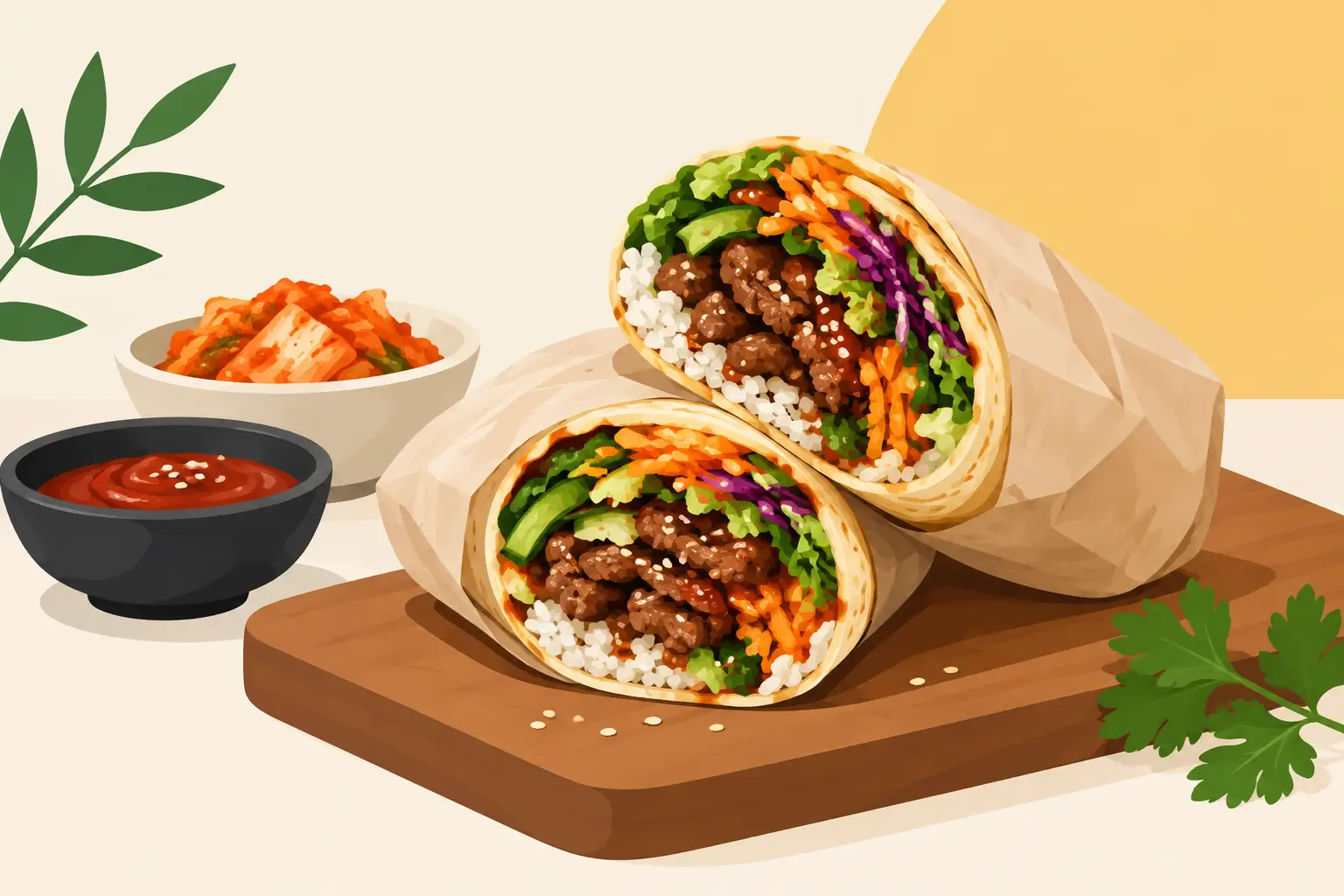
A great burrito should not feel like a compromise. It should be warm, filling, easy to hold, and packed with enough flavor that every bite earns a second one. This Korean burrito guide is for hungry Kent diners who want that familiar grab-and-go format with the savory, spicy, sweet, and deeply satisfying flavors of Korean comfort food.
Korean burritos bring together two things that already know how to win a crowd: a sturdy flour tortilla and bold Korean-inspired fillings. Think tender proteins, rice, crunchy vegetables, rich sauces, and optional heat, all wrapped tight for lunch in the car, dinner between errands, or a late craving that needs more than a basic fast-food meal.
What Makes a Korean Burrito Different?
The format is familiar, but the flavor direction is not. A standard burrito may lean on beans, cheese, salsa, and grilled meat. A Korean burrito can bring in seasoned rice, marinated protein, kimchi, pickled vegetables, creamy sauces, spicy gochujang-based flavor, and the savory depth that makes Korean food so craveable.
The best versions balance more than heat. You want richness from the meat or chicken, freshness from vegetables, a little tang from pickles or kimchi, and a sauce that carries the flavors through every bite. The tortilla matters, too. It has to be soft enough to bite cleanly and sturdy enough to keep a loaded filling from falling apart in your lap.
That balance is why Korean burritos work so well for busy days. They are substantial without requiring a full sit-down meal. You get layers of texture and flavor in one handheld package.
The Building Blocks of a Craveable Korean Burrito
Start with a filling that brings real flavor
Protein is usually the center of the burrito, so it should do more than simply add bulk. Korean-style chicken can bring a crispy edge and juicy interior, especially when paired with a sweet-and-spicy Yangnyum sauce or a savory soy garlic finish. Marinated beef, spicy pork, or a vegetable-forward filling can work beautifully, too.
If you like a cleaner, savory profile, soy garlic is a smart choice. It is rich, aromatic, and satisfying without putting heat first. If you order for the spice, a sweet-and-spicy sauce brings the kind of bright, sticky kick that wakes up rice and vegetables instantly. The right choice depends on your appetite, not a rulebook.
Rice gives the burrito its comfort-food core
Rice makes a Korean burrito feel like a complete meal. It adds warmth, helps absorb sauce, and gives the filling a satisfying weight. Seasoned rice is especially good because it brings flavor into every layer rather than leaving all the work to the sauce.
The trade-off is simple: more rice makes a burrito more filling, while less rice leaves more room for protein, vegetables, and crunch. If you are hungry after work or need a lunch that will actually hold you over, a rice-forward burrito delivers. If you want a lighter bite, ask for a balance that lets the vegetables and protein stand out.
Vegetables keep every bite lively
Pickled vegetables, shredded cabbage, onions, cucumber, carrots, and kimchi can add snap and acidity to a rich burrito. This is not just decoration. Tangy, crisp ingredients cut through fried chicken, creamy sauces, and warm rice so the last bite is as exciting as the first.
Kimchi is the big personality player. It brings fermented tang, chili warmth, and a savory punch that is unmistakably Korean. It is perfect for diners who want a louder flavor profile. If you are trying Korean food for the first time, pickled vegetables or a milder slaw can give you that fresh contrast without going all-in on fermentation.
Sauce is where the burrito gets memorable
A burrito without sauce can taste flat. A burrito with too much sauce can lose its texture fast. The sweet spot is enough sauce to coat the filling and add personality while keeping the tortilla intact.
Korean-style sauces can range from sweet and spicy to garlicky, creamy, and savory. Gochujang-based sauces bring deep chile flavor, not just heat. Soy garlic sauces give a salty-sweet shine. Creamy sauces can cool down spice and make crispy chicken feel even more indulgent. If you love heat but still want to taste the other ingredients, choose moderate spice and let kimchi or a side dish add extra fire.
How to Order From This Korean Burrito Guide
Start with the mood, not the menu description. Want comfort? Choose a savory chicken or beef filling with rice and a rich sauce. Want a punchier meal? Go for sweet-and-spicy chicken, kimchi, and pickled vegetables. Want a first-time-friendly option? Choose soy garlic chicken with rice, fresh vegetables, and a mild creamy finish.
Then think about how you are eating it. A burrito is ideal when you need a complete meal in one hand. It travels well, works for a quick car pickup, and does not require extra utensils. For a fuller spread, add a shareable side such as tteokbokki or Korean fried chicken. The burrito handles the main meal while the sides bring more crunch, spice, and variety to the table.
For group orders, variety matters. One person may want spicy Yangnyum chicken while someone else wants cheesy, savory flavor or a mild soy garlic option. Ordering a few different flavor directions keeps everyone happy and turns a simple meal into something worth passing around.
Korean Burrito Pairings That Make Sense
A Korean burrito can stand on its own, but the right pairing takes it further. Crispy Korean fried chicken is the obvious move when you are feeding more than one person or want extra crunch beside a soft, sauce-filled burrito. Choose a different chicken flavor than the burrito filling so each bite feels distinct.
Tteokbokki is another strong match for spice lovers. The chewy rice cakes and bold sauce bring a comforting, street-food-style energy to the meal. It is rich, so it works best when your burrito has fresh vegetables or a lighter savory profile.
For lunch at the office or a family dinner at home, a burrito-and-chicken combination is easy to share without overthinking it. At Friday’s in Kent, that mix of authentic Korean flavor, crispy chicken, and quick drive-thru convenience is built for days when hunger is loud and time is short.
The Best Way to Eat a Korean Burrito
Eat it while it is warm. That sounds obvious, but it matters. Crispy ingredients stay crispier, rice stays tender, and sauces stay where they belong. If you are taking it home, unwrap only one end at a time and keep the foil or paper around the rest for support.
Do not rush past the first few bites. A well-made Korean burrito has layers, and they may change as you move through it. One bite might be all juicy chicken and sauce. The next could bring pickled crunch, kimchi tang, or a little extra heat. That variety is the point.
When you need a meal that is fast, filling, and far more exciting than the usual drive-thru routine, choose the burrito that brings crispy, juicy Korean flavor straight to your hands.