
How to Schedule Catering Pickup Without Stress
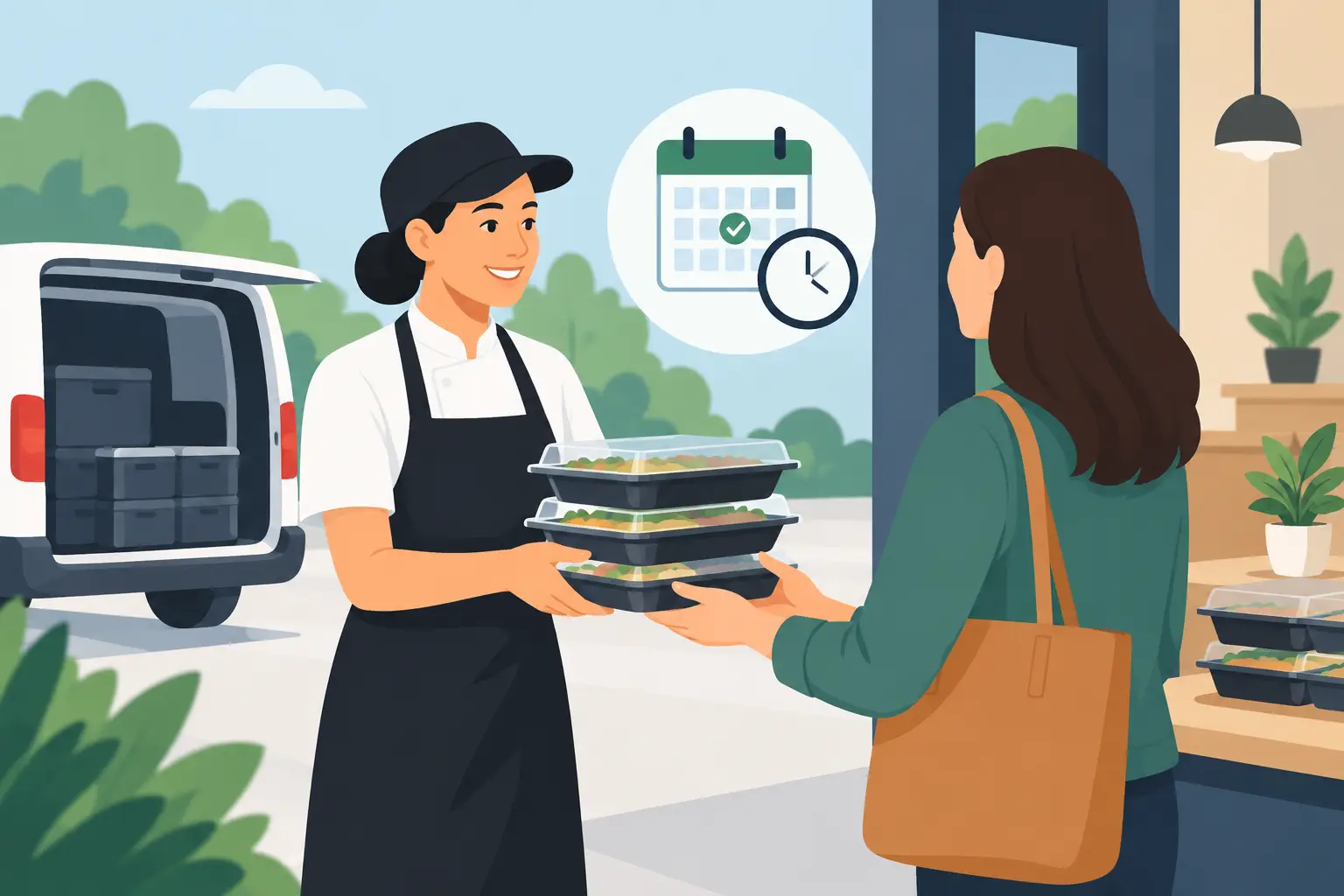
A pickup time can make or break the food at your event. Schedule it too early, and those crispy wings lose their fresh-from-the-kitchen crunch. Schedule it too late, and hungry guests are watching the door. Knowing how to schedule catering pickup means building in enough time for great food, a calm handoff, and a table full of people ready to eat.
For office lunches, family celebrations, game days, and casual get-togethers around Kent and South King County, the goal is simple: hot food, accurate portions, and zero last-minute scrambling. Here is how to make that happen.
Start With the Moment You Want Food Served
Do not choose your pickup time by guessing when the event starts. Choose it by working backward from when you want guests to begin eating.
If lunch begins at noon, most groups are ready to serve between 12:00 and 12:15 p.m. If your pickup location is 15 minutes away, plan to arrive a few minutes early and allow time to load everything safely into the car. In that case, a pickup window around 11:35 to 11:45 a.m. may be the sweet spot.
Food pickup is not the same as a reservation. You also need time to park, check the order, drive to the venue, carry trays inside, and set out plates, napkins, and serving utensils. Add a little breathing room, especially for large orders or events with tight building access.
For Korean fried chicken, timing matters even more. You want that first bite to deliver a crisp exterior, juicy chicken, and full flavor from sauces and seasonings. A few extra minutes of planning protects the food your guests are excited about.
Place the Catering Order Early
The larger the group, the earlier you should order. Catering kitchens need time to prepare your menu correctly, coordinate cooking, and package everything for pickup. Calling at the last minute may limit flavor choices, side dishes, or the time slot you want.
For a smaller group gathering, ordering a day or two ahead is usually a smart move. For office meetings, birthdays, team events, or weekend celebrations, give even more notice when you can. Friday and weekend pickup times tend to fill up quickly, especially around lunch and dinner.
When you place an order, have the essentials ready: your guest count, pickup date, desired pickup time, name, phone number, and any special instructions. If someone else will be collecting the food, say so upfront. It prevents confusion when they arrive.
It also helps to ask whether the pickup time is the time the order will be ready or the time the restaurant expects you to arrive. Those sound similar, but clear communication keeps everyone on the same page.
Choose a Menu That Travels Well
A great catering pickup order should still taste great after the drive. That does not mean playing it safe. It means choosing dishes with the ride, serving setup, and group in mind.
Crispy Korean fried chicken is made for sharing, but flavor variety matters. A mix of Sweet & Spicy Yangnyum for heat lovers, Soy Garlic for savory balance, and Cheesy Snow Rub for guests who want something rich and craveable gives the table more to talk about than a single tray of plain chicken.
Round out the order with satisfying sides and comfort-food favorites. Tteokbokki brings chewy, spicy energy. Cupbop can make individual lunches easier to organize. Burritos offer a filling option for guests who need a grab-and-go meal. The best combination depends on your crowd, the time of day, and whether the food is the main event or part of a larger spread.
Consider dietary needs before you finalize the order. Ask guests about spice tolerance, allergies, and preferences early. A mixed group often appreciates mild and bold choices, plus enough non-chicken items or sides to keep everyone included.
Order Enough, But Do Not Guess Wildly
Portion planning is where many catering orders go off track. Ordering too little creates an awkward rush for the last pieces. Ordering far too much can stretch the budget and leave you with trays nobody can finish.
Start by thinking about the event. Is this a full meal, a snack during a meeting, or late-night food after another activity? Are there teenagers with big appetites, coworkers grabbing a quick lunch, or families with young children? A game-day group that has been waiting all afternoon will eat differently than a team attending a 10 a.m. training session.
As a general approach, plan more generously when chicken is the main meal and less generously when it is one of several food options. Add sides based on how substantial you want the meal to feel. If you are unsure, tell the catering team the guest count and type of event. They can help you build an order that feels plentiful without becoming excessive.
Confirm the Details Before Pickup Day
A quick confirmation the day before can save a major headache. Review the date, pickup time, order name, phone number, item counts, flavors, and special requests. This is also the moment to double-check the event address and the route from the restaurant.
If the event is at an office, school, apartment community room, or park, think through access. Will the driver need a gate code? Is there a loading zone? Does the building have an elevator? Is parking limited around lunch? These details affect how long the pickup-and-delivery portion of your plan really takes.
Make sure your vehicle has enough clear, level space for the order. Trays and containers should ride flat whenever possible. Avoid placing hot food on a sloped seat or under heavy bags. Bring a box, towel, or non-slip mat if it helps keep containers steady.
Arrive on Time and Check the Order Kindly
Aim to arrive at the beginning of your scheduled pickup window, not 20 minutes early and not 20 minutes late. Early arrivals can interrupt the kitchen’s cooking schedule. Late arrivals can affect freshness and create a rush for everyone.
When you pick up, take a minute to verify the basics before pulling away. Check the name on the order, the number of bags or boxes, and any clearly labeled sauces, sides, or add-ons. You do not need to unpack every tray in the parking lot, but a quick count is worth it.
Keep hot food hot during the drive. Head directly to the event when possible. Do not make extra errands, and avoid opening containers repeatedly to show people what is inside. Every stop and every opened lid lets out heat and can soften that fresh crispness.
Set Up Fast So Guests Can Eat Fresh
The moment you arrive, get the food onto the serving table. Clear the space before you leave for pickup, or assign someone at the venue to handle plates, napkins, utensils, drinks, and trash bags. That way, you are not juggling table setup while hot food waits in the car.
Labeling helps when you order multiple flavors. Put spicy chicken near a label, keep sauces within reach, and place sides where guests can see them. If the group includes kids or spice-sensitive guests, make the milder options easy to identify.
For longer events, do not put every container out at once if you can avoid it. Set out enough for the first round and keep the rest covered until it is needed. This can help preserve warmth and texture, particularly when people are eating in waves.
Common Catering Pickup Mistakes to Skip
The biggest mistake is treating pickup as an afterthought. A strong menu can still arrive late, cold, or incomplete when nobody owns the timing.
Avoid these four problems:
- Scheduling pickup at the exact moment guests are supposed to eat.
- Waiting until the last minute to request a large order or popular time slot.
- Ordering one flavor for a mixed group with different spice preferences.
- Sending someone to pick up the order without the name, time, vehicle space, or event directions.
A simple point person solves most of this. They place the order, confirm it, pick it up or assign a reliable driver, and make sure the serving area is ready. That is all it takes to turn catering from a stressful task into an easy win.
When the plan is right, the reward is immediate: hot Korean comfort food, crispy chicken, happy guests, and no one asking when lunch is coming. Schedule with a little cushion, pick up with purpose, and let the first crunchy bite do the rest.