

How to Reheat Korean Chicken and Keep It Crispy
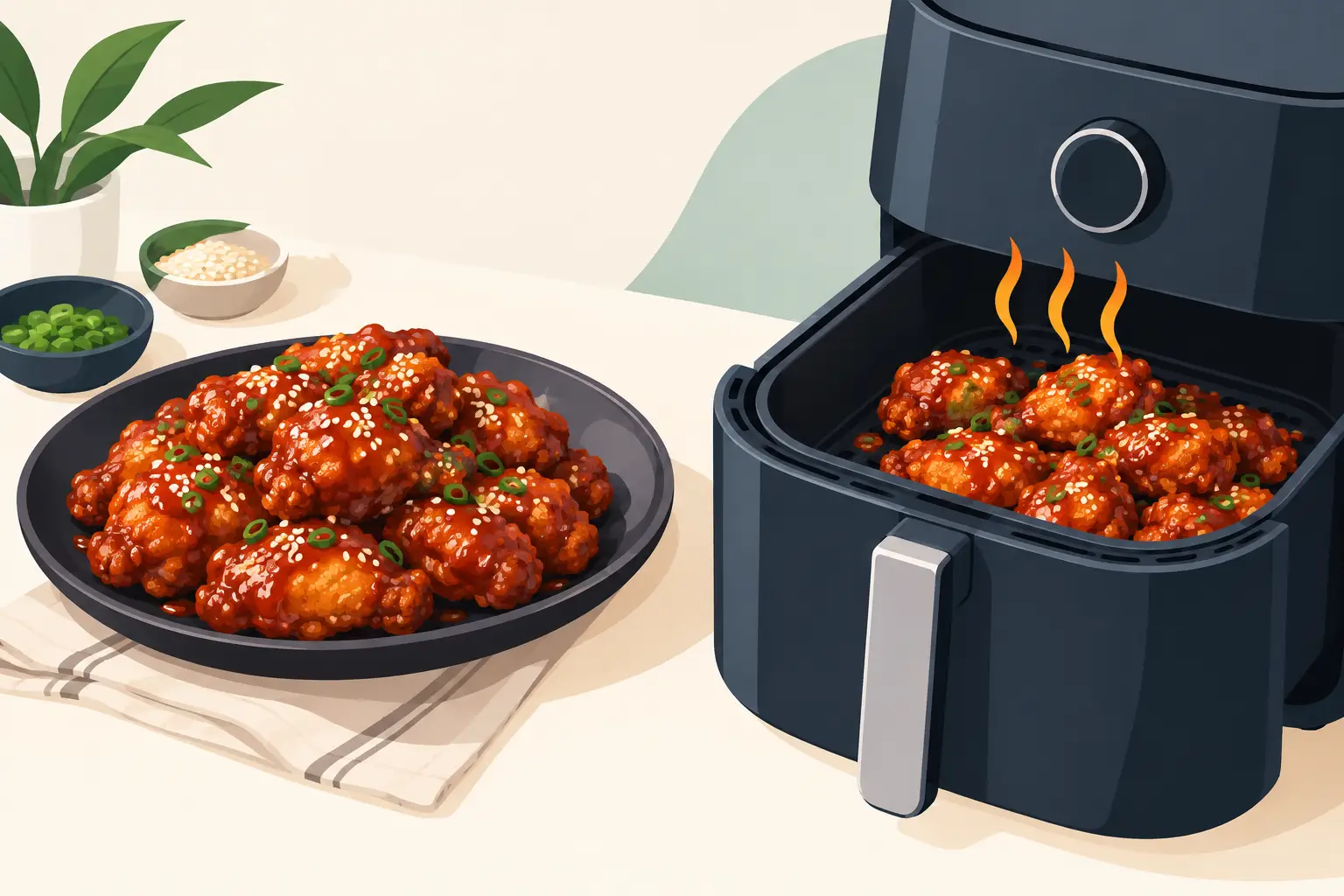
That leftover Soy Garlic wing deserves better than a sad, rubbery trip through the microwave. Knowing how to reheat korean chicken the right way brings back the best part: a shatter-crisp coating, hot juicy meat, and bold sauce that still tastes like it was made for your craving.
Korean fried chicken is different from ordinary takeout chicken. Its coating is often thinner, crispier, and sometimes covered in a sticky glaze like Sweet & Spicy Yangnyum. That means one reheating method does not fit every box. Dry, unsauced chicken needs direct heat to revive the crust. Sauced chicken needs a gentler approach so the glaze warms without burning.
Start by taking the chicken out of the refrigerator 15 to 20 minutes before reheating. It will heat more evenly, especially larger drumsticks and bone-in pieces. Never leave it out for more than two hours total, and reheat leftovers until the thickest part reaches 165°F.
How to Reheat Korean Chicken in an Air Fryer
For most leftover Korean fried chicken, the air fryer is the clear winner. It circulates hot air around every piece, which re-crisps the coating without adding more oil. It is fast, low-mess, and especially good for wings, boneless bites, and drumettes.
Preheat the air fryer to 375°F for about three minutes. Arrange the chicken in a single layer with a little space between pieces. Crowding is the fastest way to get steamed, soft chicken instead of crisp chicken.
Heat smaller boneless pieces for 4 to 6 minutes and bone-in wings or drumsticks for 6 to 9 minutes. Turn the pieces or shake the basket halfway through. If your chicken is heavily sauced, start at 350°F and check it early. Sugar in Yangnyum sauce can darken quickly, so a lower temperature protects that glossy, spicy coating.
If the chicken looks dry, give it a very light mist of neutral cooking oil before it goes in. Do not soak it. A little oil helps the exterior crisp; too much makes the coating greasy.
Use the Oven for a Big Box of Chicken
Reheating for a family dinner, game night, or office lunch? The oven handles a full box far better than an air fryer basket. It takes a few extra minutes, but it gives every piece room to heat evenly.
Set the oven to 400°F. Place a wire rack over a rimmed baking sheet, then set the chicken on the rack. The rack matters because it lets hot air reach underneath the chicken. If you put pieces directly on a sheet pan, the bottom can turn soft from trapped steam.
Bake boneless chicken for 10 to 12 minutes. Wings, drumsticks, and larger bone-in pieces usually need 15 to 20 minutes. Turn them once around the halfway point. If you do not have a wire rack, use parchment paper on a sheet pan and flip the chicken carefully halfway through.
For sauced Korean chicken, cover the pan loosely with foil for the first 6 to 8 minutes, then uncover it for the last few minutes. This warms the center before the sauce gets too dark. Watch closely near the end, particularly with sweet sauces.
A smart move for extra sauce
If you have leftover sauce in the container, warm it separately in a small saucepan over low heat or in a microwave-safe bowl. Toss the chicken with a small amount after reheating, or serve it on the side for dipping. Adding cold sauce before reheating can make even a great crust go limp.
Reheat Korean Fried Chicken in a Skillet
The skillet is a strong option when you are reheating a small order and want crisp edges fast. It works best for dry-fried chicken, lightly sauced pieces, and boneless chicken. Skip this method for a large pile of chicken, since overcrowding will trap moisture.
Heat a nonstick or cast-iron skillet over medium heat with a teaspoon or two of oil. Once the oil is hot, add the chicken in one layer. Cook for 2 to 4 minutes per side, depending on the size of the pieces.
For thicker bone-in chicken, add a tablespoon of water to the empty edge of the pan and cover it immediately for one or two minutes. The brief steam helps warm the meat through. Remove the lid, let the moisture cook away, and finish uncovered so the coating crisps again.
Keep the heat at medium, not high. High heat can scorch garlic, sugar, and chile paste before the center gets hot. The goal is a lively sizzle, not a smoky pan.
Can You Microwave Korean Chicken?
You can, but the microwave is the convenience choice, not the crispness choice. It heats chicken quickly, but it also creates steam, which softens fried coating. If lunch is waiting and time is tight, use the microwave as the first step and finish with dry heat.
Place the chicken on a microwave-safe plate in a single layer. Cover it loosely with a paper towel and heat in 30-second bursts until just warm, usually 60 to 90 seconds for a small serving. Then move it to a hot air fryer, oven, or skillet for 2 to 4 minutes to restore the crunch.
If a microwave is your only option, avoid covering the chicken tightly. A loose paper towel is enough to prevent splatters without trapping every bit of steam. Sauced chicken will fare better than plain crispy chicken here because the sauce helps keep it flavorful even when the coating softens.
Match the Method to the Flavor
Not every Korean chicken style wants the same treatment. Soy Garlic chicken is usually forgiving in the oven or air fryer, though the garlic can toast quickly at high heat. Check it a minute sooner than you think.
Sweet & Spicy Yangnyum chicken needs a little more care. Its sticky sauce can caramelize beautifully, but it can also burn. Reheat it at 350°F in an air fryer or 375°F in an oven, and keep an eye on it during the final minutes.
Cheesy Snow Rub chicken is best warmed gently. High direct heat can melt or brown the powdery cheese coating unevenly. Use an oven at 350°F or an air fryer at 325°F, then add a fresh pinch of cheese seasoning after reheating if you have it.
Plain crispy chicken, on the other hand, can take the highest heat. An air fryer at 375°F to 390°F or an oven at 400°F gives it the best chance of returning to that golden, crackly finish.
The Mistakes That Make Leftovers Disappointing
The biggest mistake is reheating straight from the fridge at very high heat. The outside gets dark while the center stays cool. Letting the chicken sit briefly at room temperature solves much of that problem.
The next problem is stacking or crowding. Whether you use an oven, air fryer, or skillet, each piece needs airflow. Reheat in batches if needed. It takes a little longer, but crisp Korean chicken is worth the extra round.
Finally, do not reheat the same leftovers again and again. Pull out only what you plan to eat, keep the rest cold, and aim to enjoy refrigerated chicken within three to four days. Freshly cooked chicken always wins, but properly reheated leftovers can still hit hard.
At Friday’s, Korean fried chicken is all about that crispy, juicy contrast and big, craveable flavor. Treat your leftovers with the same respect: hot enough to revive the center, enough airflow to wake up the crust, and just enough care to keep every bite worthy of a second round.