
Korean Catering Planning Guide for Big Appetites
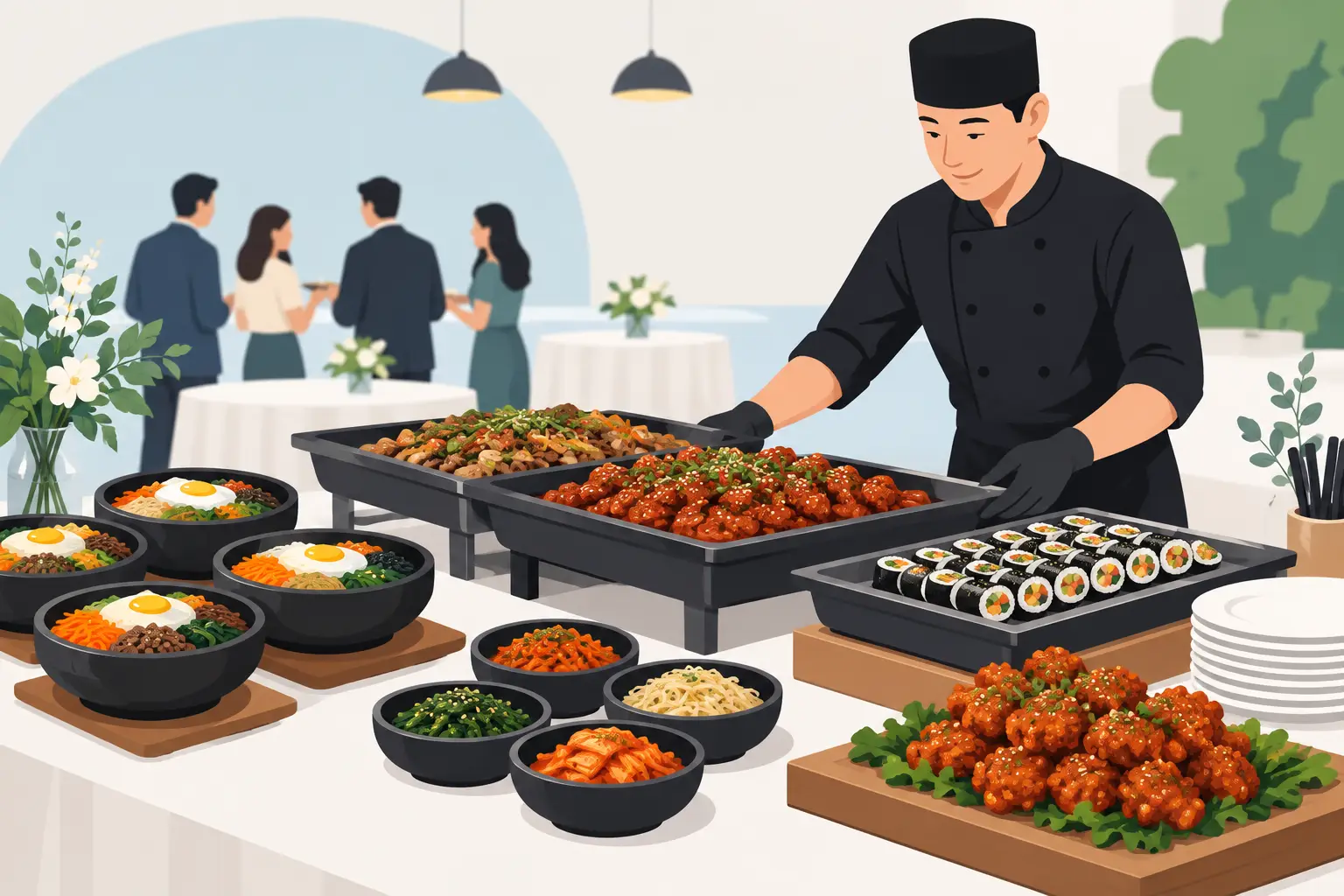
A great party spread disappears fast. That is exactly the point. This Korean catering planning guide helps you build a table full of crispy fried chicken, sticky-sweet sauces, satisfying sides, and enough variety to keep every guest reaching back for one more bite.
Korean food brings big flavor to events without making the meal feel fussy. It works for office lunches, birthday parties, game nights, school celebrations, family get-togethers, and casual weekends when cooking for a crowd is not on the agenda. The best plan starts with your guest count, then builds around food that travels well, stays craveable, and is easy to share.
Korean Catering Planning Guide: Start With the Crowd
Before choosing flavors, get clear on who is eating and how the food will be served. A seated dinner calls for a more complete meal per person. A graduation open house or game-day party needs snackable, easy-to-grab food that can hold up while people mingle.
For a lunch where Korean fried chicken is the main event, plan for a fuller portion per guest plus at least one hearty side. If there will be pizza, dessert, or several other dishes, scale the chicken back and put more emphasis on shareable variety. Teenagers, hungry coworkers, and sports-watchers usually eat more than a mixed-age afternoon crowd, so give yourself a little cushion.
Timing matters too. A 12 p.m. office lunch needs food ready before the first meeting wraps up. An evening party gives you more flexibility, but you still want to avoid placing an order so early that hot, crispy chicken sits around for an hour. Choose a pickup or delivery time as close to serving time as possible.
Pick a menu that gives guests choices
The easiest way to please a group is not by ordering one safe flavor of everything. It is by offering contrast. Korean fried chicken is built for this: sweet heat for guests who want a kick, savory garlic for those who want deep, rich flavor, and a cheesy seasoning option for anyone who loves a bold comfort-food bite.
A strong catering order usually includes two or three chicken flavors. Sweet & Spicy Yangnyum brings glossy, tangy heat. Soy Garlic has that savory, garlicky pull that keeps people coming back. Cheesy Snow Rub is creamy, salty, and seriously snackable. Together, they make the spread look more generous and let guests find their favorite without turning the order into a guessing game.
If your guests are new to Korean flavors, start with a familiar savory option alongside a medium-spice choice. If your group already loves heat, Yangnyum and tteokbokki can carry the table with serious flavor. The goal is not to make every item mild. It is to offer enough range that nobody feels left out.
Build the Meal Around Crispy Chicken and Filling Sides
Chicken may get the loudest reaction, but sides are what turn a box of wings into a meal. They also help your budget work harder. A hearty cupbop or Korean-style burrito can be especially useful for lunch events, where guests expect something substantial and easy to eat between meetings.
Tteokbokki is another smart choice for groups that enjoy spicy comfort food. The chewy rice cakes and rich sauce bring a completely different texture to the table, which keeps the meal interesting. Add savory sides to round things out and give guests a break between bites of crunchy chicken and bold sauce.
Think about the serving setup before finalizing the menu. Wings and drumsticks shine at casual standing events, while cupbop and burritos make more sense when people are eating at desks, in cars, or wherever a fork-and-plate setup is not realistic. For a family party at home, combining both works beautifully: shareable chicken in the center, individual handheld or bowl-style options around it.
A practical portion strategy
Portion planning depends on what else is being served, but a few simple rules keep you out of trouble. When chicken is the main protein, order enough pieces that guests can enjoy several without feeling like they need to ration their favorites. For an appetizer-style spread, focus on variety and add filling sides so the crowd does not clear the chicken tray in the first twenty minutes.
Do not forget the people who arrive late. A good host plans for the second wave: the coworker caught in traffic, the cousin who shows up after the kids’ game, or the friend who says they are only stopping by and then stays for dinner. A little extra food protects the mood of the event and makes leftovers a happy bonus instead of a costly mistake.
For mixed groups, label flavors if you can. A small note that says Soy Garlic, Sweet & Spicy, or Cheesy Snow Rub saves guests from guessing and helps parents guide younger kids toward the best option. If spice is part of the menu, keep a milder item and a filling side within easy reach.
Plan the Pickup, Setup, and Serving Window
Crispy fried chicken is at its best when it reaches the table hot and fresh. That does not mean a catering order has to be stressful. It means you should match your pickup time to your event schedule and have a simple serving plan ready before the food arrives.
Clear a table or counter in advance. Put out plates, napkins, utensils, serving tongs, and drinks before pickup. If you are serving sauces separately, set them out just before guests arrive. The fewer tasks you leave for the last ten minutes, the more you get to enjoy the reaction when the food hits the table.
For office events, assign one person to receive the order and another to set it out. For home gatherings, keep the chicken containers closed until close to serving time. If the event runs long, rotate smaller batches onto the table rather than opening every container at once. This helps preserve heat and crunch while keeping the spread looking fresh.
Be honest about your venue. If you have limited table space, fewer large-format items may work better than a wide mix of individual meals. If there is no easy way to keep food warm, schedule a pickup later and serve promptly. Great catering is not only about what you order. It is about making the food fit the real conditions of your event.
Ask About Dietary Needs Before You Order
Korean catering is easy to share, but allergies and dietary preferences still deserve attention. Ask guests early about major concerns, especially food allergies, spice tolerance, and vegetarian needs. Do not assume a dish is mild or meat-free based on appearance.
When placing the order, communicate those needs clearly and ask what options make sense for your group. Separate dishes and clear labeling can make a big difference. It also shows guests that you planned for them, not just for the loudest eaters in the room.
Make Your Order Early for Bigger Events
Large orders need a little lead time, especially for busy lunch hours, weekends, and holidays. Once you have the headcount and event time, place the order early enough for the kitchen to prepare everything with care. Last-minute catering can work for smaller groups, but more notice gives you better control over flavors, portions, and pickup timing.
For Kent-area gatherings, Friday’s can bring the crispy, juicy Korean fried chicken, bold sauces, cupbop, burritos, tteokbokki, and savory sides that make catering feel like a treat instead of another task on the checklist.
Set the table, bring the appetite, and let the first crackle of crispy chicken do the talking.