

Is Korean Fried Chicken Crispy? Yes – Here’s Why
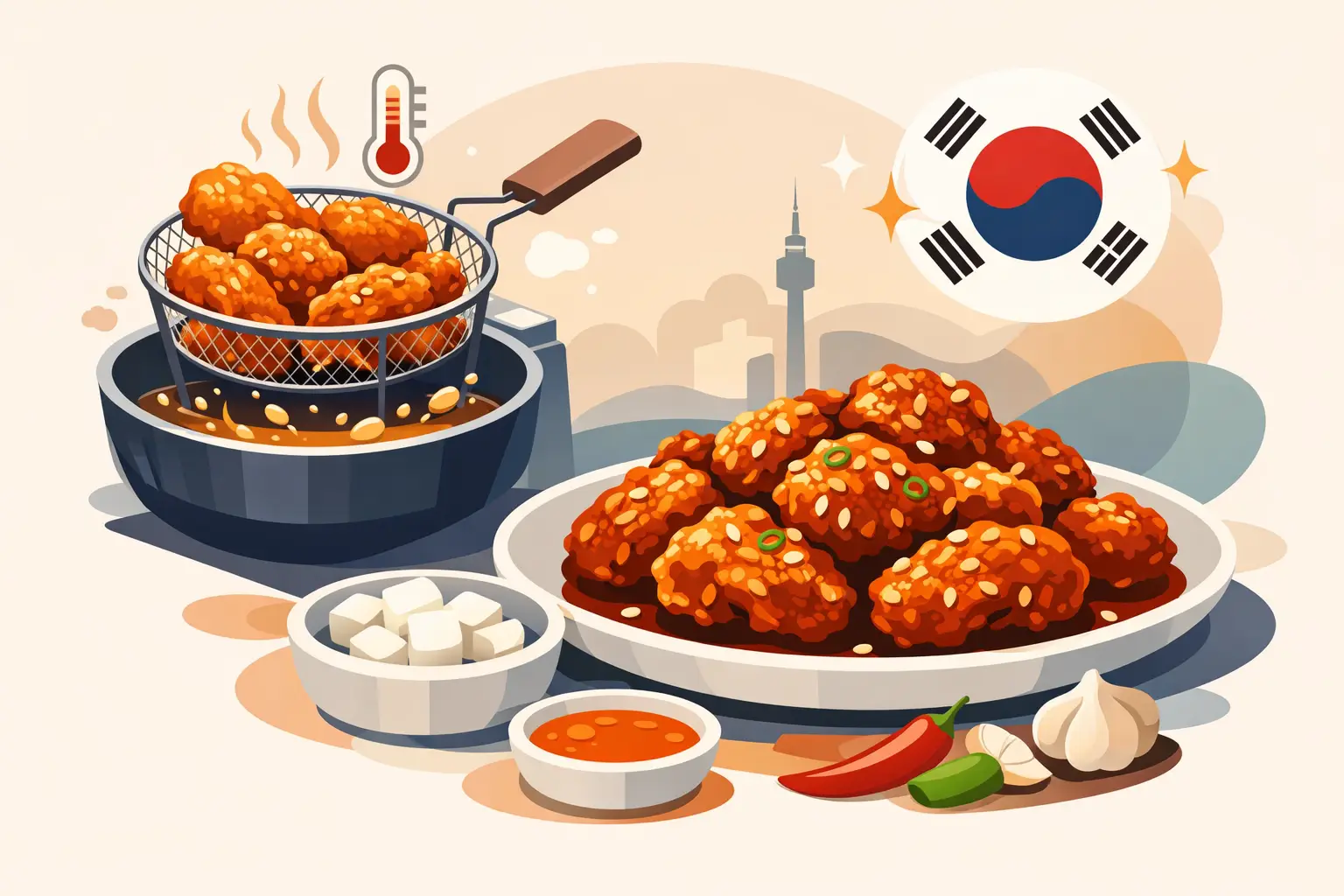
One bite tells you fast: is korean fried chicken crispy? Absolutely. Not just a little crisp, either. It is the kind of crackly, shattery crunch you hear before you even taste the juicy meat underneath, and that texture is a huge reason people keep coming back for it.
If you have only had standard fast food fried chicken, Korean fried chicken can feel like a whole different category. The outside is usually lighter, thinner, and audibly crisp. The inside stays tender and juicy. Then come the sauces and seasonings – sweet heat, savory garlic, sticky soy, cheesy powder, or fiery glaze – layered onto chicken that still keeps its bite.
Why is Korean fried chicken crispy?
The short answer is technique. Korean fried chicken usually gets its signature crunch from a thinner coating and, very often, a double-fry method. That combination helps render out more moisture from the skin and coating, so the crust sets up with a cleaner, glassier crunch instead of a thick, bready shell.
That difference matters. Some fried chicken styles go for a heavier crust that feels rugged and filling. Korean fried chicken usually aims for a lighter exterior that snaps when you bite it. You still get richness, but the texture is less dense and more delicate.
The batter or coating also plays a role. Many Korean fried chicken recipes use starches such as potato starch or cornstarch, sometimes mixed with flour, to create that distinct crisp finish. Starch-based coatings fry up especially well because they can stay airy and crunchy without turning cakey.
Then there is oil temperature. Good frying is never random. When chicken is fried at the right temperature, the coating sets quickly, excess oil drains off better, and the result tastes crisp instead of greasy. That is one reason truly good Korean fried chicken feels clean and addictive rather than heavy after a few pieces.
What makes the crunch different from regular fried chicken?
The biggest difference is thickness. American fried chicken often has a more rugged, flour-heavy crust with lots of ridges and crags. That style is great when you want a hearty bite and a strong seasoning layer built into the breading.
Korean fried chicken usually goes in another direction. The coating is often thinner, more even, and more brittle in the best way. Instead of a thick shell that dominates the bite, it gives you a crisp layer that makes room for the meat and the sauce.
That is also why sauce works so well here. A heavy breading can get soggy fast once tossed. A thinner, well-fried crust can hold up better, especially if the chicken was fried properly from the start. You still need to eat it fresh for the best texture, but well-made Korean fried chicken stays crisp longer than many people expect.
Is korean fried chicken crispy even with sauce?
Yes, but this is where the answer becomes a little more nuanced. Sauce changes texture. It always will. If you drench any fried food and let it sit, the crust softens over time.
The goal is not to keep sauced chicken bone-dry crisp forever. The goal is to create a crust strong enough to hold onto that sticky, glossy flavor while still giving you a real crunch when it hits the table. That is exactly where Korean fried chicken shines.
A good Yangnyum wing should still have bite under the sauce. Soy garlic should taste glossy and savory, not limp. Dry rub styles like cheesy snow or spicy powders often preserve even more of that pure crunch because they add flavor without as much moisture.
So if you are wondering whether sauced Korean fried chicken is still crispy, the answer is yes – especially when it is cooked fresh and served right away. It just delivers a different kind of crisp than a plain, unsauced piece.
The real secret: texture balance
Great Korean fried chicken is not only about crispiness. It is about contrast. You want the outside to crackle, the inside to stay juicy, and the seasoning to hit hard without covering up the chicken itself.
That balance is why people crave it. Sweet and spicy glaze lands differently when it coats a crisp wing. Soy garlic feels richer when the shell still snaps. Even a dry seasoning like cheesy snow works because it lands on hot, freshly fried chicken with enough surface texture to grab flavor in every bite.
When the balance is off, you can tell. If the coating is too thick, the chicken feels heavy. If the oil temp is wrong, it gets greasy. If it sits too long in a box, the crust loses its edge. Korean fried chicken at its best avoids all three.
Why freshness matters so much
Crispy chicken has a time window. Fresh from the fryer is where the magic happens. That does not mean takeout cannot be excellent, but it does mean speed matters.
The longer fried chicken steams in a closed container, the more that trapped heat and moisture work against the crust. That is why good restaurants pay attention to timing, packaging, and order flow. Fast service is not just convenient. It protects texture.
For busy families, students, commuters, and office lunches, that matters. You want food that gets from kitchen to table fast enough to still deliver the experience you paid for. Crispy should actually mean crispy when you open the box.
Bone-in, boneless, tenders, and wings – does it change the crispiness?
It can. Bone-in wings often deliver some of the best texture because their smaller size and skin-to-meat ratio help them fry up beautifully. Drumsticks and larger pieces can still be very crisp, but they need careful timing so the inside cooks through without the outside going too dark.
Boneless pieces can be extra satisfying too, especially if you want more coating in every bite. The trade-off is that boneless chicken can dry out faster if overcooked, so execution matters even more.
If you love maximum crunch, wings are often the move. If you want a meatier bite with bold sauce coverage, boneless can be a great pick. There is no wrong answer – just different texture priorities.
How to tell if a restaurant does it right
You usually know before the second bite. The coating should look light and crisp, not thick and doughy. The chicken should sound crunchy when you bite in. The meat should stay juicy, and the flavor should come through clearly instead of tasting like old oil.
Sauced versions should still have structure. Dry rub styles should cling well and taste balanced, not dusty. And the chicken should feel fresh, hot, and intentional – like it was made to order, not sitting under a heat lamp waiting to be rescued.
That is part of what makes Korean fried chicken so craveable when done right. It is not only fried food. It is precision fried food with personality.
At Friday’s, that is the standard. Crispy, juicy chicken comes first, then the flavor hits: Sweet & Spicy Yangnyum, savory Soy Garlic, and crowd-favorite Cheesy Snow Rub. It is built for quick lunches, family dinners, game nights, and group orders when plain chicken just will not cut it.
So, is Korean fried chicken worth trying if you love crunch?
Without question. If crisp texture is your thing, Korean fried chicken deserves a spot near the top of your list. It gives you that satisfying crackle, but it also brings more flavor range than many traditional fried chicken styles.
You can keep it simple with a lighter seasoning, go sticky and bold with sauce, or mix both if you want contrast in one order. It works for solo cravings and for sharing, because every piece feels a little dramatic in the best possible way.
And that is really the point. Korean fried chicken is crispy, but not in a one-note way. It is crispy with purpose. The crunch sets up the sauce. The thin coating keeps the bite lively. The juicy center keeps you reaching for one more piece.
If you have been asking the question, now you know. Yes, Korean fried chicken is crispy – and when it is fresh, hot, and made right, it is the kind of crispy that ruins boring chicken for you after that.