

What Defines an Authentic Korean Flavor Profile?
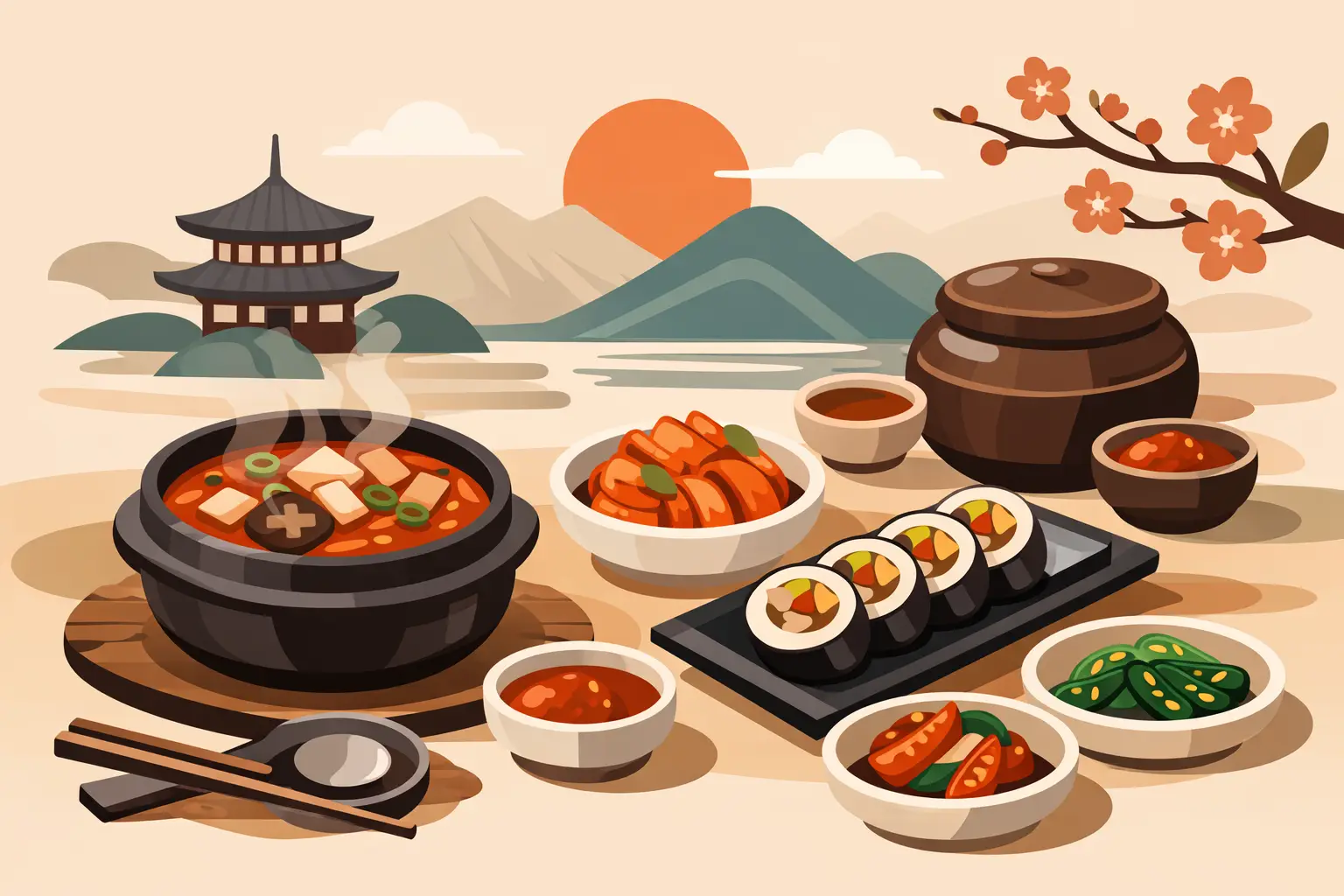
One bite can tell you a lot. If the sauce hits sweet first, then garlic, then a slow-building chili heat that keeps pulling you back for another piece, you are tasting an authentic korean flavor profile. It is not just about spice. It is balance, contrast, and that unmistakable mix of savory depth, bright punch, and texture that makes Korean comfort food so hard to stop eating.
For a lot of people, Korean food gets reduced to one idea – spicy. That is only part of the story. Real Korean flavor is broader and smarter than that. It can be fiery, yes, but it can also be soy-rich, lightly sweet, deeply fermented, toasted with sesame, sharp with garlic, and clean with vinegar or pickled vegetables. The reason it feels so satisfying is that these elements are built to play off each other, not compete.
What makes an authentic Korean flavor profile
At its core, an authentic korean flavor profile is about layers. Korean food rarely aims for one-note seasoning. Instead, it stacks flavors so each bite feels full and lively. Sweetness softens heat. Salt sharpens richness. Fermented ingredients bring depth. Crunchy textures keep saucy dishes from feeling heavy.
That balance is why Korean fried chicken stands out so much from standard fried chicken. The crust is crisp and light, then comes a glaze or seasoning that carries real personality. A good Yangnyum sauce is sticky, sweet, spicy, and slightly tangy all at once. Soy garlic should be savory and aromatic, not just salty. Even a cheese powder finish works best when it adds creamy savoriness without covering up the chicken underneath.
The flavors that show up again and again
Heat with purpose
Korean heat is often more rounded than raw. Gochujang and gochugaru bring chili flavor with depth, not just burn. That means the spice can linger without wiping out everything else on your plate. In dishes like tteokbokki or spicy fried chicken, the heat should feel bold but still connected to sweetness and umami.
There is a trade-off here. Some versions made for a wider audience pull the heat back, which can make the food easier for more people to enjoy. That is not automatically a bad thing. But if the spice disappears completely, part of the character goes with it.
Sweetness that rounds things out
A lot of Korean dishes use sweetness in a very intentional way. It is there to soften sharper notes and build craveability, not turn the food into dessert. In fried chicken sauces, that sweet edge helps the garlic pop and gives chili paste a glossy, rich finish.
This is one reason Korean fried chicken feels so snackable. The sweetness keeps the flavor moving instead of getting flat. You taste one thing, then another, then another. That rhythm matters.
Umami and fermentation
This is where much of the depth comes from. Soy sauce, fermented chili paste, doenjang, kimchi, and other staples bring the kind of savory complexity that makes food feel rich even when the ingredient list is simple. Fermentation gives Korean food its backbone.
You do not always need a strong fermented funk in every dish, but some level of aged, savory depth is often what separates a decent imitation from something that feels true to the cuisine. Without that depth, sauces can taste sugary or one-dimensional.
Garlic, sesame, and aromatics
Garlic is a major player in Korean cooking, and when it is used well, it is impossible to miss. It adds sharpness, warmth, and aroma. Sesame oil and toasted sesame seeds bring nuttiness and a soft roasted finish. Green onion adds freshness. Together, these ingredients make savory dishes smell as good as they taste.
This is especially important in fried food. Crispy chicken needs more than salt. Garlic and sesame give it identity.
Texture is part of flavor
Korean food understands that flavor is not just what hits your tongue. Texture changes the whole experience. Think about crispy chicken under sticky sauce, chewy rice cakes in spicy broth, cool pickled radish next to something hot and fried. That contrast keeps the meal exciting.
An authentic korean flavor profile often depends on these shifts. Rich food needs crunch or acid. Spicy food needs a reset. A meal with no texture contrast can still taste good, but it will not feel as complete.
Why Korean fried chicken tastes different
Korean fried chicken earns its reputation because it gets two things right at the same time – the fry and the finish. The crust is typically lighter and crispier, with a shatter that holds up under sauce better than heavier batters. Then the seasoning brings in those layered Korean flavors.
That is why the same chicken can wear different personalities so well. Sweet and Spicy Yangnyum is glossy, bold, and punchy. Soy Garlic leans savory, aromatic, and deeply satisfying. Cheesy Snow Rub goes in a different direction, giving you salty, creamy, sweet-savory contrast over crisp skin. Each one works because the base chicken is built to carry flavor, not hide under it.
It also explains why Korean fried chicken pairs so well with comfort-food sides and drinks. The food is rich, but the flavors stay lively. You do not get bored halfway through.
Authentic does not mean only one thing
This matters. There is no single version of an authentic korean flavor profile. Regional differences, family recipes, restaurant style, and even the dish itself all change how those flavors show up. Some sauces are sweeter. Some are hotter. Some push garlic hard. Others lean deeper into soy or fermentation.
That flexibility is part of what makes Korean food so appealing. Authenticity is not about forcing every dish into one exact formula. It is about whether the flavors still feel balanced, intentional, and rooted in Korean cooking traditions.
For local diners, that means you do not have to choose between approachable and authentic. A well-made dish can welcome first-timers and still satisfy people who know exactly what they are looking for. The key is whether the flavor has structure. Does the sweetness support the spice? Does the garlic come through clearly? Is there enough savory depth to keep the sauce from tasting generic? Those are better questions than asking whether every bite is as hot as possible.
How to spot the real thing on your plate
You can usually tell fast when a dish is getting it right. The aroma should hit first – garlic, toasted notes, savory sauce, maybe a little chili in the air. The first bite should feel layered, not flat. Heat should build naturally. Sweetness should round it out instead of taking over. If it is fried, the texture should still matter even after the sauce lands.
The side items tell the story too. Pickled radish is not just an extra cup on the side. It cuts through richness and refreshes your palate between bites. Rice balances strong sauces. Tteokbokki brings chewy texture and spicy comfort. Cupbop and burritos can still carry authentic Korean-inspired flavor when the seasoning is built with care.
That is where a place like Friday’s stands out. When Korean-style fried chicken is done right, it tastes vivid, fresh, and intentional. You get crispy, juicy chicken with sauces and rubs that actually deliver contrast and depth, not just heat or sugar. That is the difference between food that is fine once and food you start craving again before the box is empty.
Why this flavor profile keeps winning people over
People come back to Korean food because it gives them more. More texture. More contrast. More personality in every bite. You can get comfort food satisfaction without settling for bland or predictable. That matters on a quick lunch, a family dinner, or a catering spread where you need food that gets everyone’s attention fast.
It also fits real life. Bold food does not need a long explanation when it is built well. Crispy chicken with soy garlic. Spicy rice cakes. A hot meal that tastes fresh and layered even on a busy night. That is the appeal.
If you are chasing an authentic korean flavor profile, look for balance before anything else. The best Korean food does not shout one note. It comes at you in waves – savory, sweet, spicy, garlicky, crunchy, rich, and bright. That is the bite that keeps your hand going back to the box.