

How to Plan Office Catering That Works
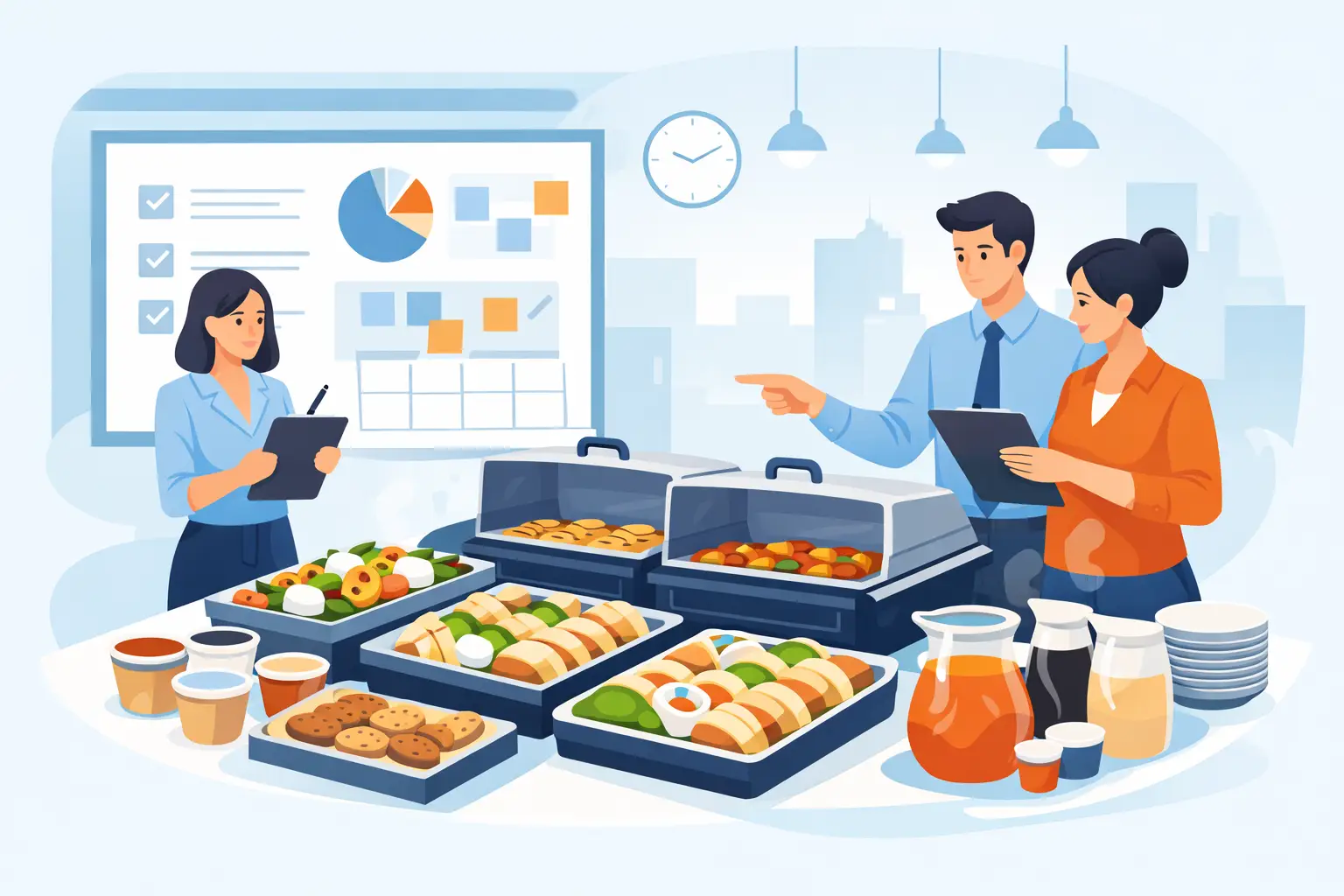
The fastest way to ruin a team lunch is simple – not enough food, food that travels badly, or a menu nobody can actually eat. If you’re figuring out how to plan office catering, the goal is not just to feed people. It’s to make the meal feel easy, generous, and worth showing up for.
Office catering sounds straightforward until the real-world details pile up. You need a headcount that keeps changing, a budget that has limits, dietary requests that matter, and a delivery window that can’t slip. Then there’s the food itself. It has to arrive fresh, hold up well, and still taste like something people want to eat, not just something they have to grab between meetings.
How to plan office catering without the usual mistakes
Start with the purpose of the event, because that shapes every decision after it. A quick weekday lunch for 12 people needs a different setup than an all-hands meeting, a client presentation, or a staff celebration. If the meal is there to keep people fueled during a working session, easy-to-grab portions make more sense than a slow buffet line. If the event is more social, shareable trays and a little variety create a better mood.
The next step is your real headcount, not your hopeful one. Ask for RSVPs early, then build in a little cushion. Office groups are unpredictable. A few extra attendees almost always appear, and running short is remembered longer than having leftovers. A smart buffer is usually 5 to 10 percent, depending on how firm your attendance list is.
Budget matters, but value matters more. The cheapest catering option can backfire if portions are skimpy or the menu feels generic. People notice when the food is an afterthought. A better approach is to set a per-person range, then choose food that delivers on flavor, portion size, and reliability. A well-planned spread with crispy fried chicken, bold sauces, rice dishes, and solid sides often feels more satisfying than a pricier menu that looks good on paper but lands flat in the room.
Timing is where good plans either stay sharp or fall apart. Place the order early, especially for larger groups or popular lunch windows. Confirm when the food should arrive, when it will actually be served, and whether you need setup time. Food that shows up right as a meeting starts can create chaos if nobody has plates out, table space cleared, or time to organize the spread.
Build a menu people will actually want
The best office catering menus are simple to understand and easy to eat. That does not mean boring. It means choosing crowd-pleasing items with enough variety to cover different tastes without turning the order into a complicated puzzle.
Start with a strong main item. Shareable fried chicken is a standout choice because it feels fun, filling, and satisfying across a wide range of tastes. It also gives you options. Some people want heat. Some want savory. Some want something rich and a little different. Offering a few flavor styles, like Sweet & Spicy Yangnyum, Soy Garlic, and Cheesy Snow Rub, gives the table range without making it messy.
Then think about balance. A tray of chicken alone may not be enough for a full lunch, especially for a mixed group. Add a starch or two, maybe rice-based options or handheld items, and include sides that round out the meal. The goal is for people to build a plate that feels complete. If your group includes big eaters, younger staff, or people skipping breakfast before a noon meeting, lean a little heavier on the order.
This is also where dietary needs need real attention. You do not need a menu with 20 separate choices, but you do need to know if anyone is vegetarian, avoiding gluten, or sensitive to spice. Ask early. A catering order works best when it includes one or two clearly accessible options rather than last-minute improvising. People don’t expect every dish to suit them, but they do expect to be considered.
Travel matters too. Some foods are amazing fresh from the kitchen and disappointing 20 minutes later. For office catering, choose items that hold their texture and flavor well. Crispy chicken, sturdy rice dishes, and sides that travel cleanly tend to perform better than delicate salads, overloaded sandwiches, or anything that gets soggy fast. Good catering food should still taste like a treat by the time the meeting starts.
Portion planning is where most orders go wrong
If you want to know how to plan office catering like a pro, get serious about portions. Under-ordering is the classic mistake, but over-ordering without a plan is wasteful too.
Think about the time of day first. Lunch usually needs stronger portions than a mid-afternoon meeting. If the catering is replacing a full meal, people expect real satisfaction. If it is more of a snack break, you can scale back. Also consider the event length. A two-hour training session with no other food around calls for a more substantial spread than a quick recognition event.
Your group makeup matters. A team of warehouse staff, healthcare workers, or younger employees may eat differently than a small administrative meeting. There is no perfect formula, which is why it helps to order from a restaurant that understands group dining and can guide quantities based on the occasion. That advice is often more useful than generic online calculators.
One practical move is to order a little extra of the most universally popular item and slightly less of niche flavors. People tend to reach for familiar favorites first. If you are serving bold Korean flavors, that usually means pairing something adventurous with something instantly approachable. The mix keeps the meal exciting without making it risky.
Delivery, setup, and serving details matter more than people think
Great food can still have a rough landing if the logistics are sloppy. Decide who is receiving the order, where the driver should go, and where the food will be set up. Offices with locked doors, elevators, front desks, or large campuses should provide very clear delivery instructions. This sounds small, but it prevents delays and cold food.
Inside the office, choose a setup area with enough room for traffic to flow. If people are crowding around one small table, the line gets slow and the food gets picked over unevenly. Plates, napkins, serving utensils, and trash access should be ready before the food arrives. If you are hosting clients or leadership, presentation matters even more. A clean, organized setup makes the meal feel intentional.
Serving style should fit the event. Individually boxed meals work well for trainings, conferences, and meetings where people stay seated. Shared trays are better for team lunches, celebrations, and more casual gatherings. Neither option is always best. It depends on the room, schedule, and how much interaction you want around the meal.
Temperature is another factor people forget. Hot food should be served promptly. If the meeting runs long and lunch is delayed, quality drops fast. Build the agenda around the food, not the other way around. When timing is tight, a dependable local caterer makes all the difference.
How to plan office catering for repeat success
The easiest office catering orders are rarely the first ones. They get easier once you pay attention to what worked. After the event, note what people finished first, what barely got touched, whether the timing felt right, and if portions were on target. Those small observations make the next order better.
You should also notice the less obvious feedback. Did people go back for seconds? Did the food energize the room or just sit there? Did the order process feel easy? Reliable catering is not only about taste. It is about consistency, communication, and food that arrives ready to impress.
For local offices, that often means choosing a restaurant that already knows how to handle group orders and bold, crowd-pleasing meals. Friday’s, for example, works well for office events because the menu is built for sharing, the flavors are memorable, and the food delivers the kind of crispy, savory comfort people actually get excited about.
If you are ordering for the same team more than once, rotate flavors and formats. Keep the favorites, but change enough to avoid catering fatigue. A different sauce mix, a new side combination, or a more snackable setup for one event and a fuller lunch spread for another can keep things fresh without adding complexity.
Office catering does not need to be fancy to be a hit. It needs to be thoughtful, well-timed, and satisfying from the first bite to the last tray. When the food is hot, craveable, and easy to serve, people remember the meeting less and the meal more – which is usually a very good sign.